
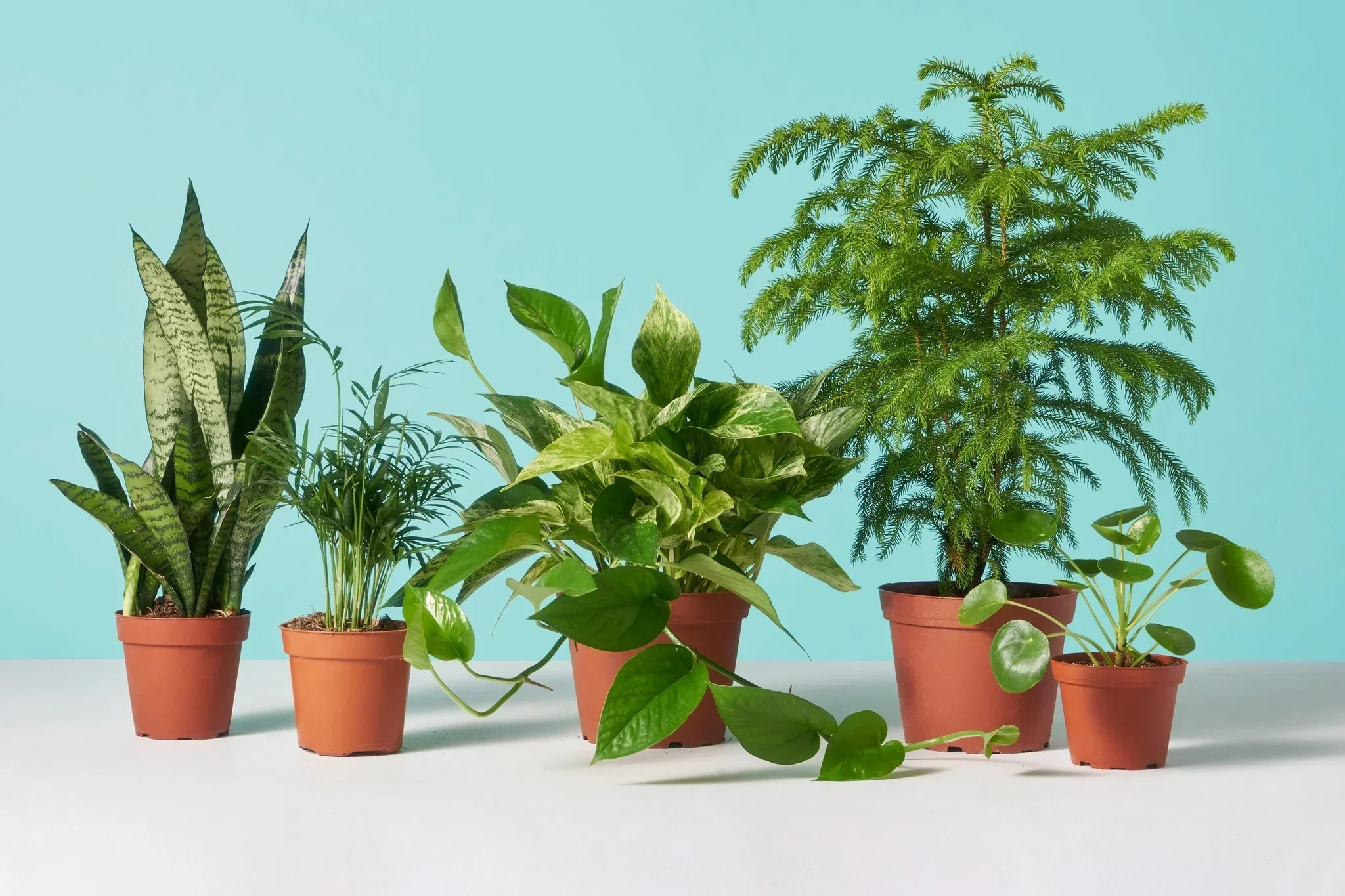
Indoor plants have become a staple in modern homes, offering not only aesthetic appeal but also health benefits such as improved air quality, reduced stress, and increased productivity. For beginners, however, the idea of caring for plants can seem intimidating. The good news is that there are plenty of low-maintenance indoor plants that are perfect for those who are just starting their green journey. These plants require minimal attention, making it easy to enjoy the beauty and benefits of greenery without the stress.
Why Choose Low-Maintenance Plants?
Low-maintenance indoor plants are ideal for beginners for several reasons. First, they are forgiving if you occasionally forget to water them or give them less-than-perfect light conditions. Second, they are generally resilient to common indoor challenges such as low humidity, fluctuating temperatures, and indoor pests. Third, they allow new plant owners to build confidence in their gardening skills before moving on to more delicate or high-maintenance species.
Best Low-Maintenance Indoor Plants
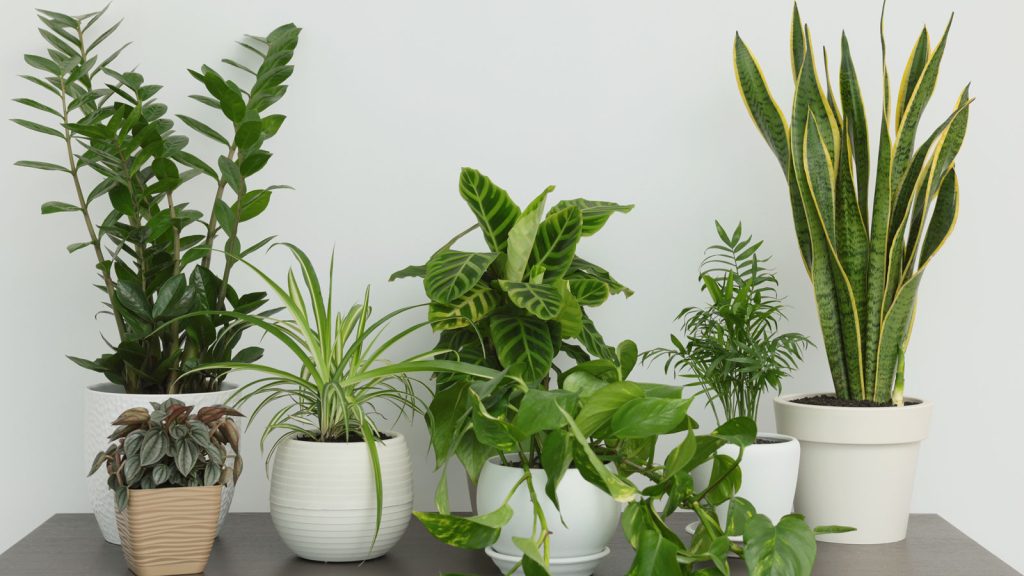
Here are some of the most popular and beginner-friendly indoor plants:
1. Snake Plant (Sansevieria)
The snake plant is one of the easiest plants to care for. It thrives in a variety of light conditions, from bright indirect light to low light, and can survive long periods without water. Its upright, sword-like leaves add a modern touch to any room, and it is also known for its air-purifying qualities, removing toxins such as formaldehyde from indoor air.
Care Tips: Water every 2-3 weeks, allowing the soil to dry completely between watering. Avoid overwatering as it can cause root rot.
2. ZZ Plant (Zamioculcas zamiifolia)
ZZ plants are renowned for their glossy, dark green leaves and exceptional drought tolerance. They can thrive in low light and require very little attention, making them perfect for beginners.
Care Tips: Water once a month or when the soil is completely dry. ZZ plants can tolerate low light but will grow faster in moderate to bright indirect light.
3. Pothos (Epipremnum aureum)
Pothos, also known as devil’s ivy, is a trailing plant that adds a lush, tropical vibe to any space. It is extremely resilient and can thrive in a wide range of light conditions. Pothos can be grown in soil or water, making it a versatile choice for any home.
Care Tips: Water when the top inch of soil is dry. Trim vines occasionally to maintain shape and encourage fuller growth.
4. Spider Plant (Chlorophytum comosum)
Spider plants are iconic for their arching green leaves with white stripes and their ability to produce “babies” or offshoots. They are very adaptable and thrive in indirect light.
Care Tips: Water when the soil feels dry to the touch. Spider plants prefer moderate humidity but can tolerate low humidity as well.
5. Peace Lily (Spathiphyllum)
Peace lilies are loved for their elegant white blooms and glossy green leaves. They are also known for their air-purifying properties, removing pollutants like ammonia, benzene, and formaldehyde from indoor spaces.
Care Tips: Keep the soil consistently moist but not soggy. Peace lilies prefer low to medium light and will produce flowers even in low-light conditions.
6. Aloe Vera
Aloe vera is a succulent that not only looks attractive but also has medicinal benefits. Its thick, fleshy leaves store water, allowing it to survive periods of neglect. Aloe vera thrives in bright light but can tolerate moderate indoor light as well.
Care Tips: Water sparingly, roughly every 3 weeks, and ensure the pot has good drainage to prevent root rot.
7. Cast Iron Plant (Aspidistra elatior)
True to its name, the cast iron plant is nearly indestructible. It tolerates low light, irregular watering, and fluctuating indoor temperatures, making it ideal for beginners who want a hardy, green companion.
Care Tips: Water when the soil is dry. The plant grows slowly, so minimal pruning is required.
Tips for Beginners to Succeed with Indoor Plants
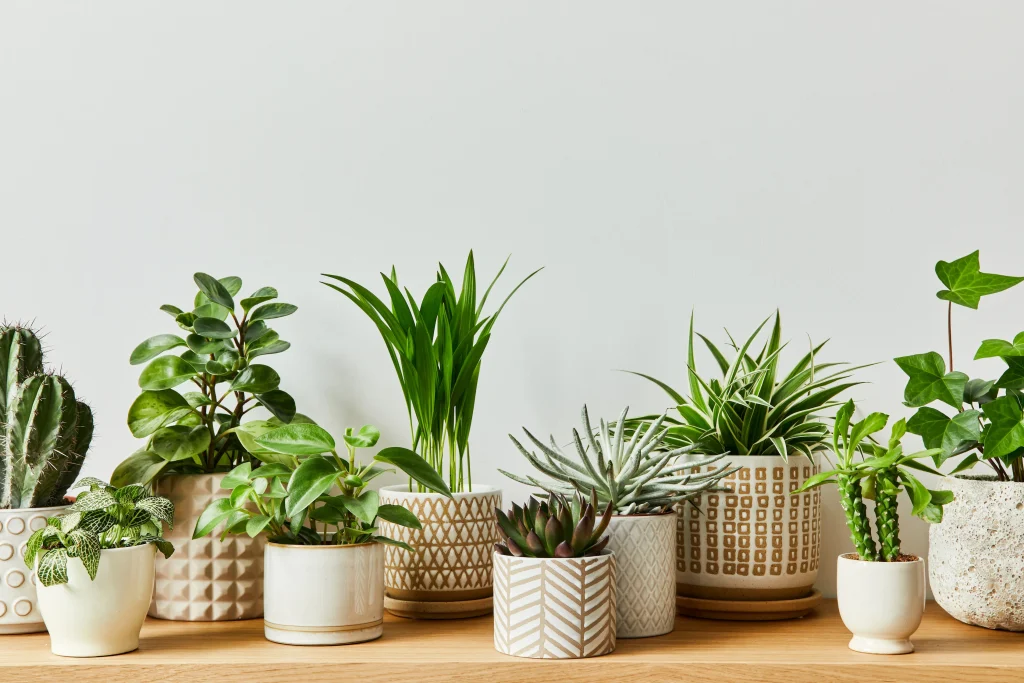
- Choose the Right Pot: Ensure pots have proper drainage holes to prevent waterlogging.
- Understand Light Requirements: Even low-maintenance plants have preferred light conditions. Observe your home’s natural light before placing plants.
- Water Wisely: Overwatering is the most common mistake. It is better to underwater than overwater most low-maintenance plants.
- Use Appropriate Soil: Well-draining potting mix is essential for healthy growth. Succulents and cacti, for instance, need sandy soil to avoid root rot.
- Clean the Leaves: Dust can block light absorption, so gently wipe leaves with a damp cloth to keep them healthy.
Conclusion
Low-maintenance indoor plants provide the perfect introduction to the world of greenery, offering beauty, air-purifying benefits, and a sense of calm without requiring constant attention. Plants like snake plants, ZZ plants, pothos, and aloe vera are excellent choices for beginners, allowing anyone to create a vibrant indoor oasis with minimal effort. By choosing the right plants, understanding their basic needs, and following simple care routines, even the busiest or least experienced plant owner can enjoy a flourishing indoor garden.
Embrace the simplicity of low-maintenance indoor plants and watch your space transform into a lively, refreshing haven.